These plastic crates and bins meet strict standards in terms of dimensions, load capacity, strength and compatibility with handling equipment. The standard dimensions for the EURO-standard plastic crates are 200x300, 300x400 and 400x600 mm, with a height varying from 120 to 420 mm or more.
EURO Standard plastic crates and bins are stackable, maximising storage space and reducing transport costs.
These plastic crates and bins are widely used in many sectors, including agriculture, food, pharmaceutical and distribution. They are reusable and durable, making them an environmentally friendly choice for the transport and storage of goods.
How are European standard plastic crates made?
European standard HDPE (High Density Polyethylene) plastic crates are made from HDPE granules, which are melted and moulded into the desired crate shape in special moulds. The manufacturing process involves several steps:
Extrusion
The HDPE granules are melted and extruded into a sheet. This sheet is then used to form the walls of the box.
Injection moulding
The HDPE sheet is placed in a specific mould and the shape of the box is moulded by injecting molten HDPE into the mould. This step forms the sides and bottom of the box.
Assembly
Once the various components of the body are moulded, they are assembled to form the complete body. Handles, hinges and clasps are often added at this stage.
Quality control: After assembly, each case is checked to ensure that it meets industry quality and safety standards. Crates that do not meet these standards are discarded.
HDPE plastic crates are commonly used in the food industry, agriculture, logistics and warehousing due to their durability, corrosion resistance and ease of cleaning.
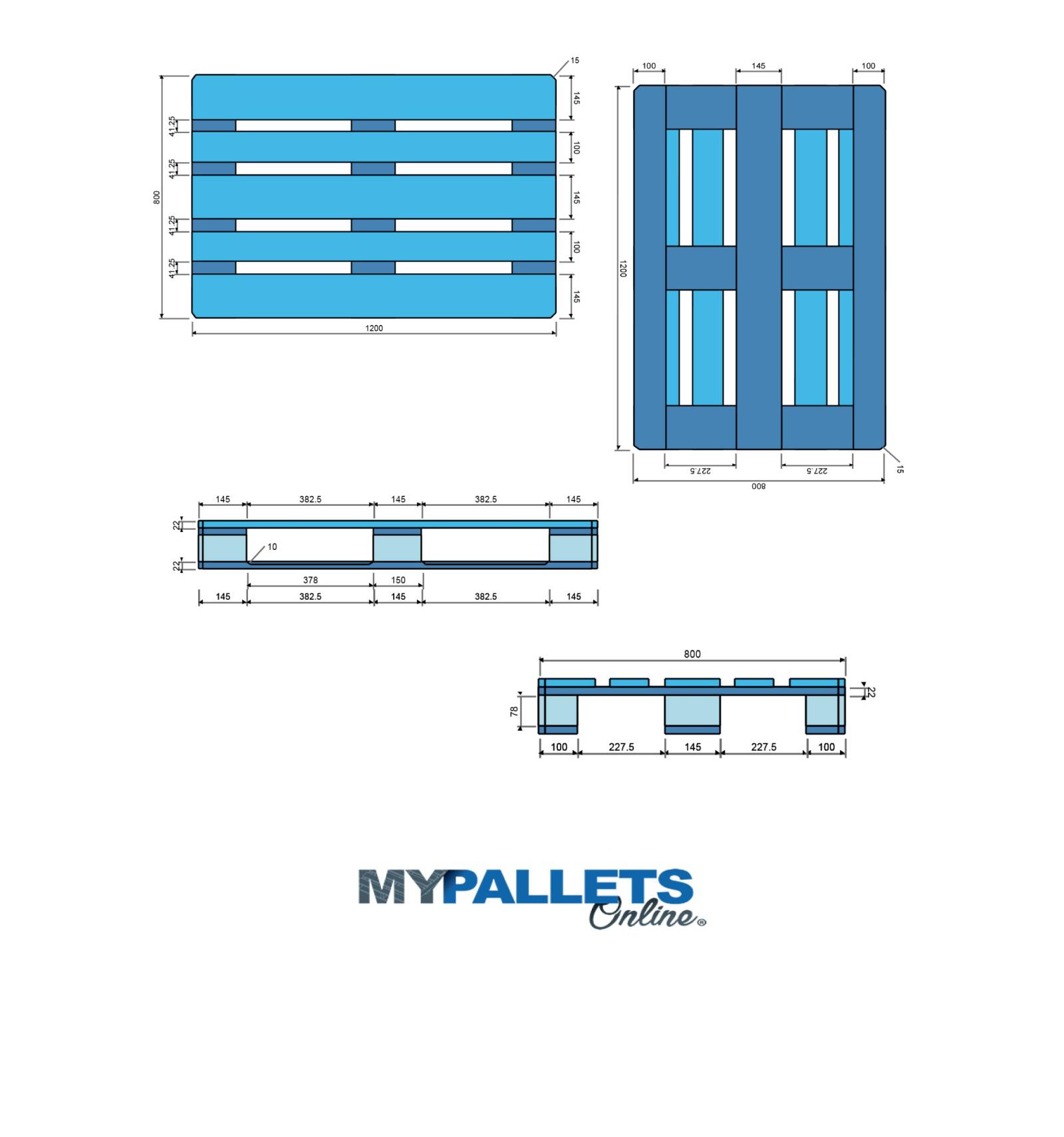
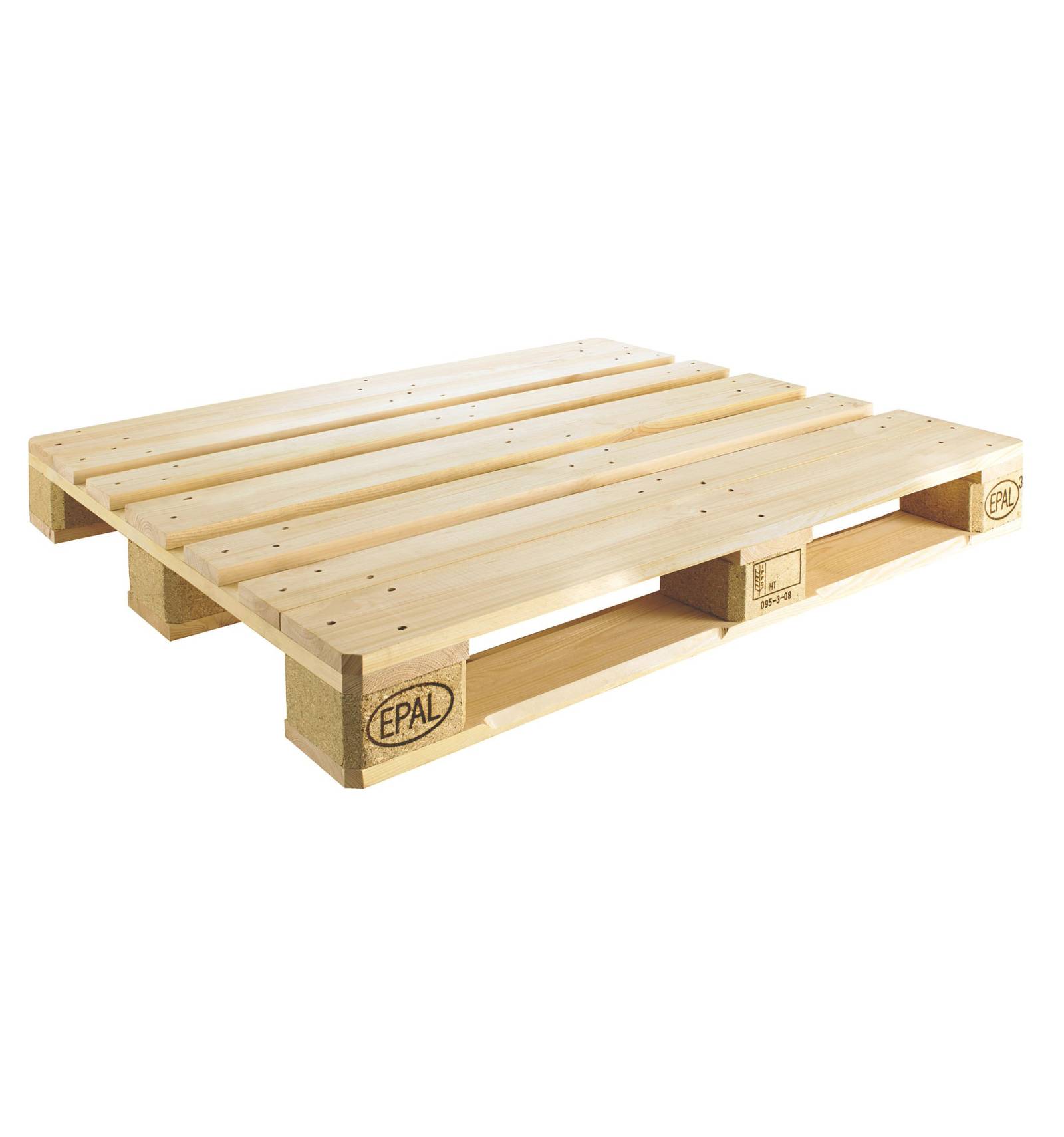
How many plastic crates can be loaded on an 800x1200 pallet?
For 200X300 crates, you can put 12 crates on a layer. 4 in the 1200 direction and 3 in the 800 direction
For 300X400 size boxes: 4 in the 1200 direction and 2 in the 800 direction, that is 8 boxes
For 600X400 size boxes: 2 in the 1200 direction and 2 in the 800 direction, i.e. 4 boxes
For the 600x800 size boxes, you can put 2 boxes on one layer.
Are HDPE plastic crates approved for food contact?
Yes, HDPE (High Density Polyethylene) is approved for food contact as it is considered a safe material for food packaging. HDPE is used in the manufacture of a wide variety of food packaging such as bottles, jars, packaging films and plastic crates, among others.
HDPE is approved for food contact as it is considered non-toxic and inert. This means that it does not affect the taste, smell or quality of food stored in HDPE packaging. In addition, HDPE is resistant to fats and oils, making it a popular material for food packaging.
It is important to note that although HDPE is approved for food contact, this does not mean that all HDPE products are safe for food. HDPE products must be designed and manufactured in accordance with food industry standards and regulations, such as the European Regulations on Materials and Articles intended to come into contact with Food. HDPE products that comply with these standards and regulations are considered food safe.