Your cart
There are no more items in your cart


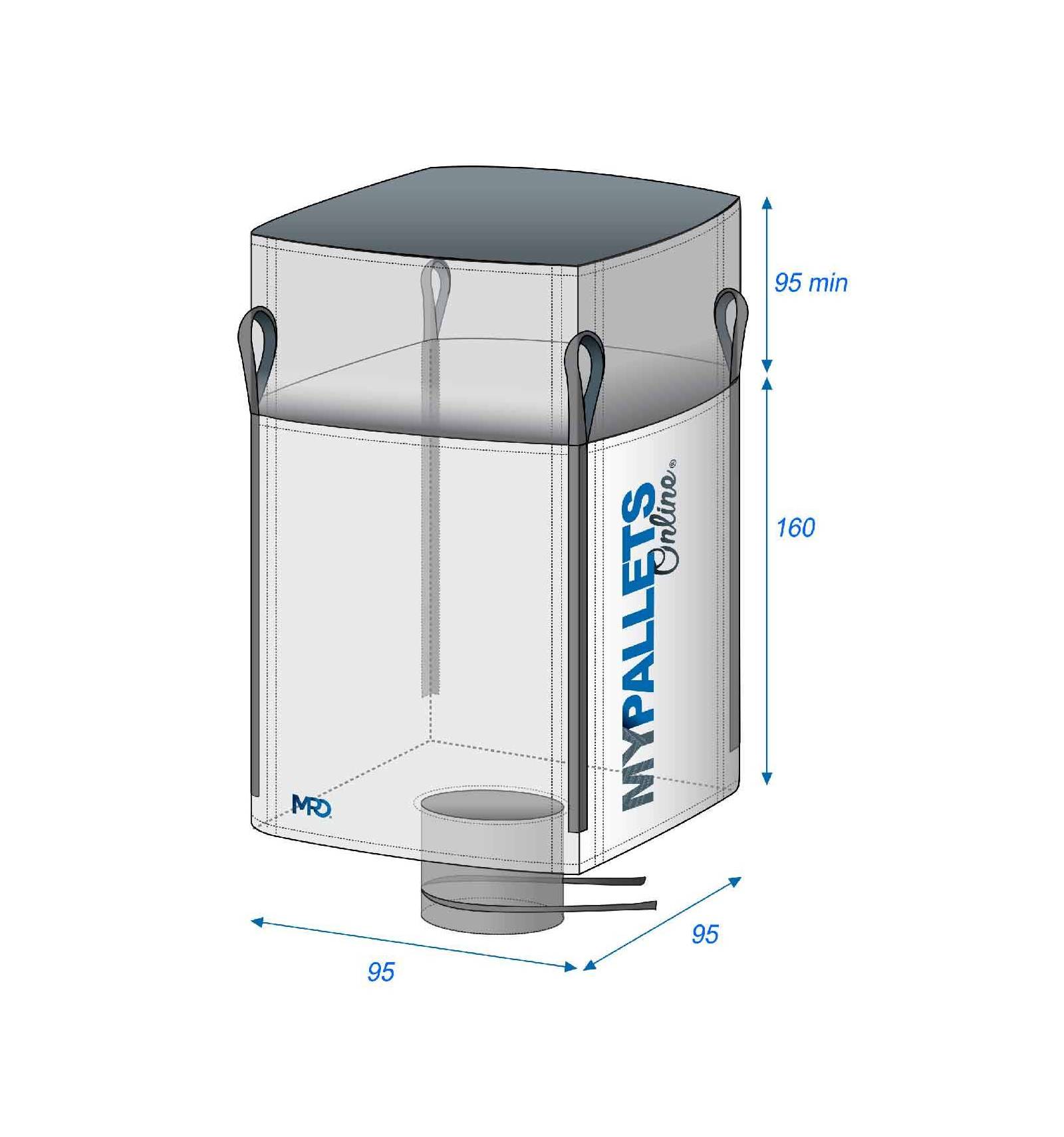
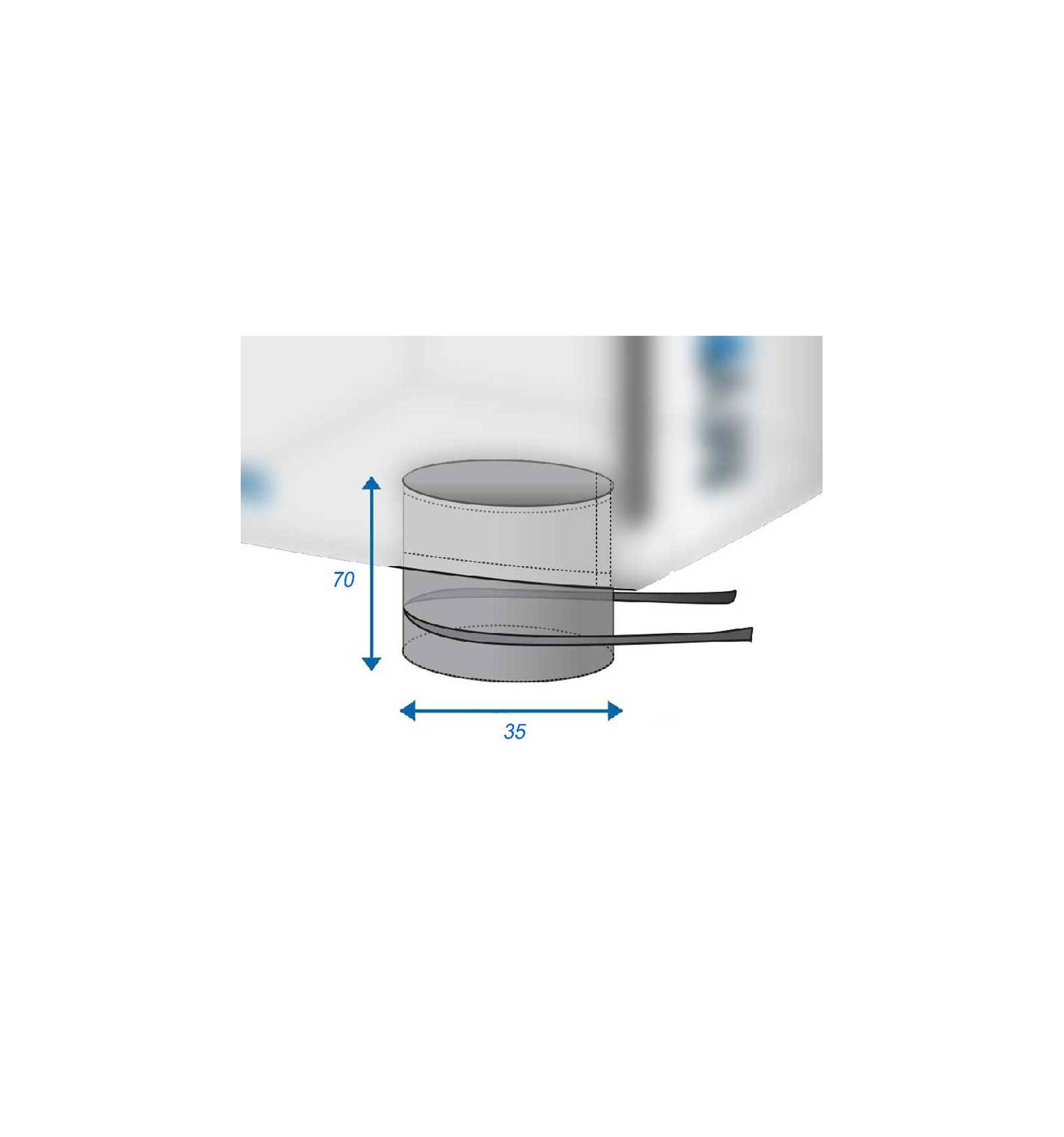
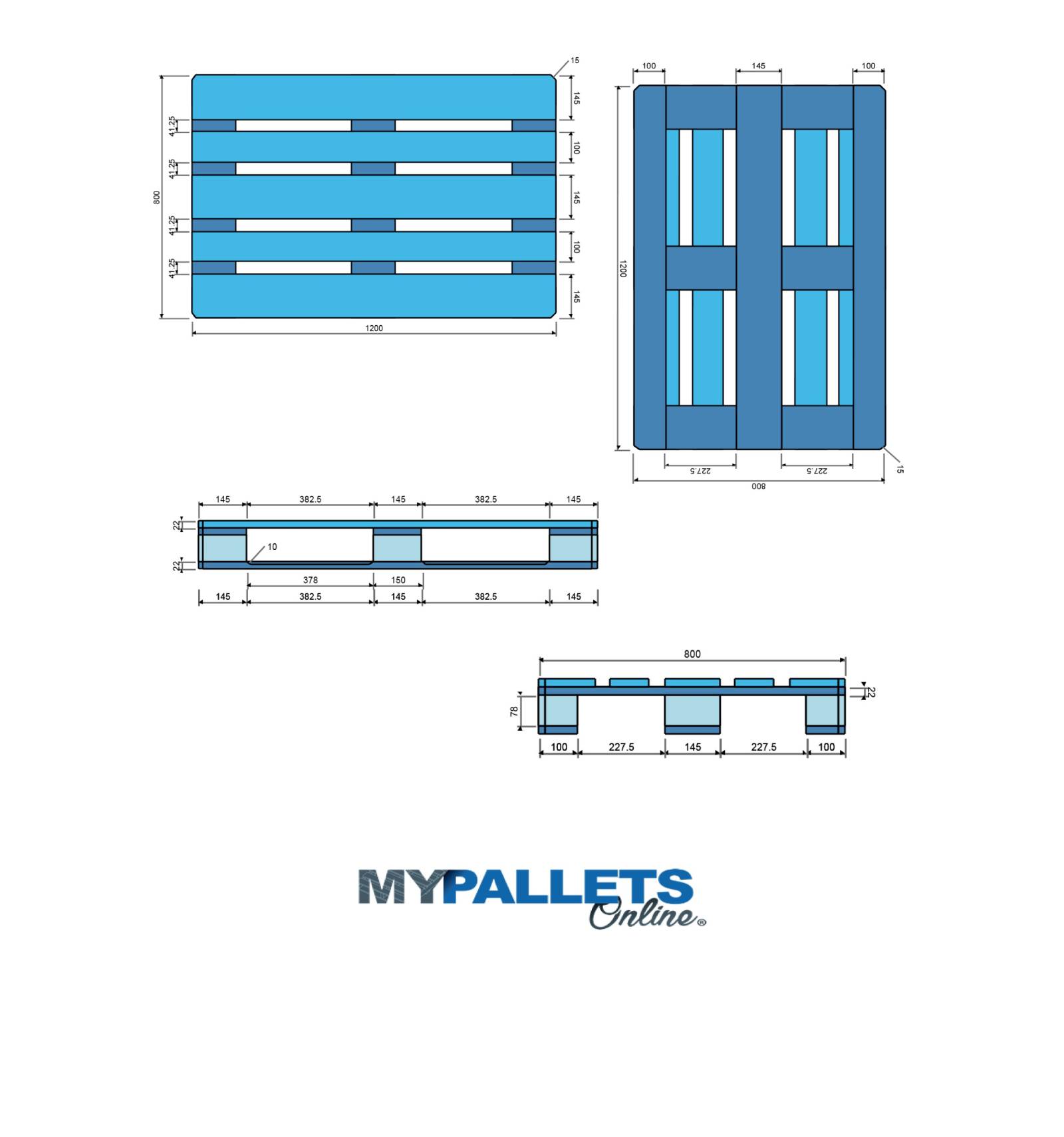
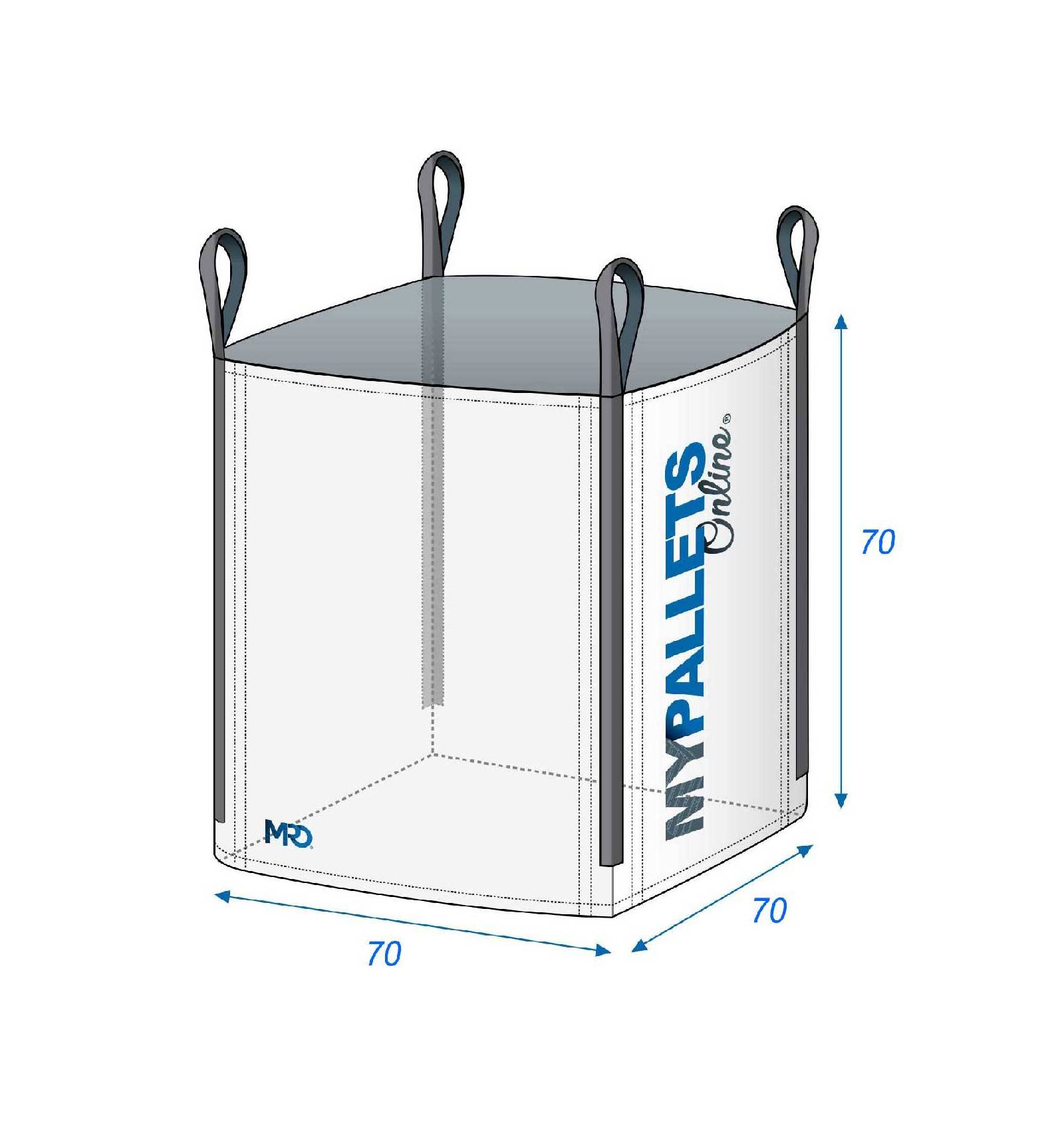
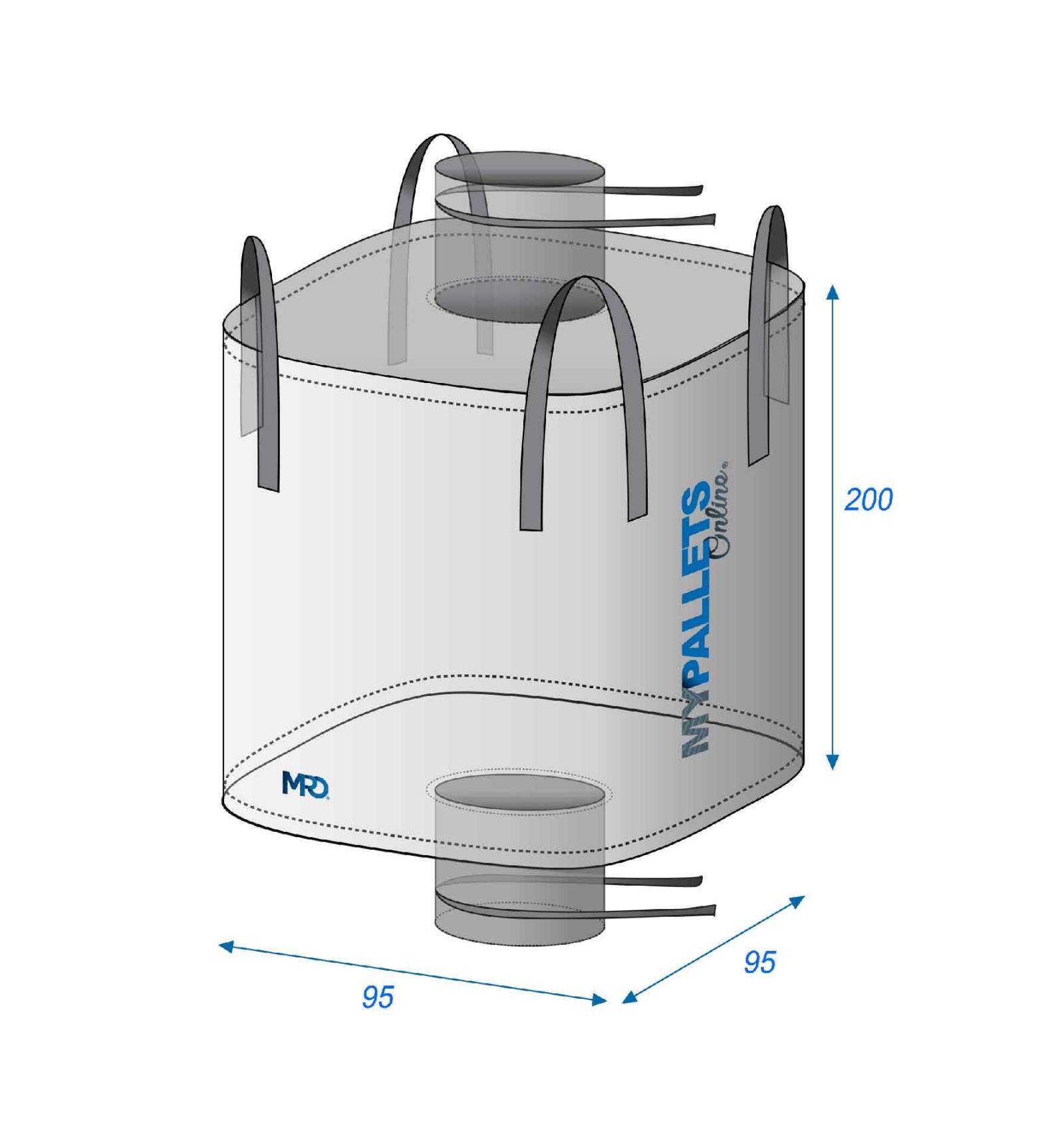
The dimensions (length, width, height, depth, etc.) are provided in detail in all our technical data sheets. These can be viewed and downloaded directly from the "technical data sheets" tab on each product page.
Delivery times vary depending on the product ordered. They are indicated on each product page. For custom-made products, the delivery time is specified in the quotation.
- For Bulk bag, delivery times range from 48 hours to 7 days after the order has been prepared. The delivery time also depends on the quantity, and therefore the weight, as well as the destination country. 48 hours is the minimum delivery time for a parcel weighing less than 30 kg delivered in France. The longest delivery time we have observed is 10 days for an order weighing more than 30 kg delivered to Denmark.
- For Presswood Pallet, delivery times are between 7 and 10 days. For the 800x800 and 1000x1000 sizes, a lead time of 3 weeks is required.
- For plastic Pallet, our delivery times are 7 to 10 days
- For plastic crates, our delivery times are 7 to 10 days
These delivery times do not apply to bespoke production. Furthermore, despite our agreements with our transport partners, we cannot be held responsible for delays in transit.
Crates and boxes are containers used to store and transport a variety of products. They are used in many sectors, such as agriculture, manufacturing, logistics, distribution, warehousing, etc. They can be of different sizes and capacities. Depending on the use, they are equipped with open or closed handles, lids, and their bottom and sides can be solid or perforated. For agricultural and fishing uses, the bottoms can be perforated, curved or smooth.


Plastic Crate 396x594 automotive Galia, Odette 200501 - 39 Liters


Plastic Crate 396x594 automotive Galia, Odette 200502 - 59 Liters


Plastic Poultry Transport Drawer 580x1080 126 Litres Perforated bottom & sides

Plastic Poultry Transport Drawer 585x785 118 Litres Perforated bottom & sides

Plastic Poultry Transport Drawer 585x785 118 Litres Perforated bottom & sides


Plastic Poultry Transport Drawer 758x1160 154 Litres Perforated bottom & sides


Plastic Poultry Transport Drawer 758x1160 177 Litres Perforated bottom & sides


Crates and boxes can be made from different materials such as wood, metal, plastic, cardboard, etc. The method of manufacture varies according to the material used. The method of manufacture varies according to the material used.
Wooden crates or boxes are made from hardwoods such as oak, maple, birch, ash, as well as softwoods such as pine, fir, Douglas fir etc. The wooden boards are cut into different sizes according to the specifications of the box or bin to be manufactured. The boards are then joined together with nails or screws to form the box or crate. Wooden crates can be treated to resist water, insects and rot over time. The type of treatment can vary depending on the species but is generally referred to as autoclave treatment. Autoclave treatments can also be used to stain the wood brown, blue or green.
Plastic crates and boxes are made from different types of polymers such as polypropylene, polyethylene, polycarbonate, from the plastics industry but increasingly from recycling channels. Moulds are created and used to make the different shapes and sizes. Plastic crates and bins are lightweight, impact resistant and easy to clean. They are also approved for food contact.
Cardboard boxes or bins are usually made from recycled paper in the form of corrugated kraft or honeycomb. The cardboard sheets are cut into different sizes according to the specifications of the box or bin to be manufactured. The cardboard sheets are then folded and glued to form the box or crate. Cardboard boxes and bins are lightweight and the least expensive.
Metal crates and boxes are usually made from steel or aluminium. The metal sheets are cut into different sizes according to the specifications of the crate or box to be manufactured. The metal sheets are then folded and welded to form the crate or bin. Metal crates and bins are impact resistant and weatherproof.
Crates and boxes are containers, often made of plastic, used in many industrial and commercial sectors. They are used to transport, store and organise products, raw materials and other types of goods. In this presentation we will look at the different uses of crates and bins in different industries.
They are used in the food industry to store, transport and handle food products, such as fruit, vegetables, meat and fish. Crates are often designed with ventilation slots to allow good airflow and to prevent the build-up of moisture, which can lead to the growth of bacteria. Plastic crates are also used to store food in refrigerators and freezers.
Cratesare widely used in logistics and warehousing operations. They are used to store and transport products, raw materials and goods. Crates and boxes are often stackable, which maximises the available storage space. They can also be equipped with wheels or mounted on trolleys to facilitate the transport and handling of products. Crates and bins are also used for order picking, more commonly known as Picking.
Crates are used in retail shops to store and display products. Crates can be used to store products in shop warehouses or backrooms, while bins are used to display products on the sales shelves. Bins can be stacked to save space and are often transparent to allow better visibility of products.
boxes are also used in agriculture to store and transport crops. Crates are often used to store fruit and vegetables before they are shipped to market. Bins can be used to transport agricultural products from the farm to the point of sale.
In the manufacturing industry, crates and bins are used to store and transport raw materials and finished products. Bins can be used to store parts during production or to organise components and tools for assembly lines.
They are used primarily to store, transport and organise a wide variety of automotive parts, from small parts such as bolts and nuts, to large parts such as bumpers and car doors. They allow for intra-factory flow exchanges and also exchanges between suppliers and customers. Plastic crates and bins for the automotive industry are mainly standardised according to the manufacturers. For example, Odette or Galia homologation.
Plastic crates are widely used in automotive factories for the storage of parts, as they are strong and durable, and are often also designed to be stackable. Crates are often fitted with lids to protect parts from damage, dust and protection during transport operations. Crates can also be labelled or marked for easy identification and traceability. In some cases they will be fitted with RIFD tags or more recently with IOT chips.
Other uses include organising parts in automotive repair shops and again for temporary storage during repair operations, as well as organising tools and supplies. The bins can be equipped with handles for easy handling.
Le client a donné une note sans laissé de commentaire
Le client a donné une note sans laissé de commentaire
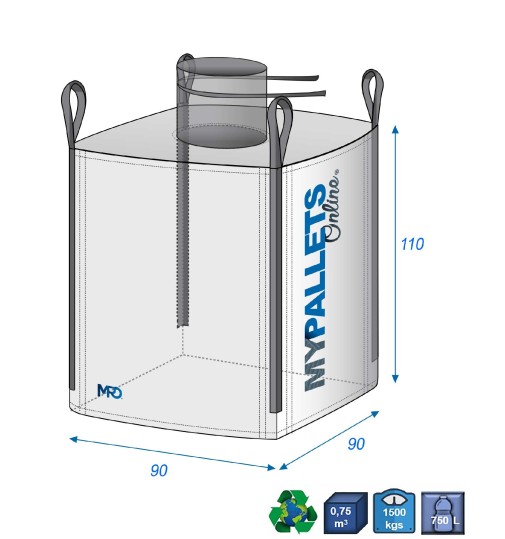
notre client nous les re commande régulièrement c'est donc qu'ils répondent aux attentes
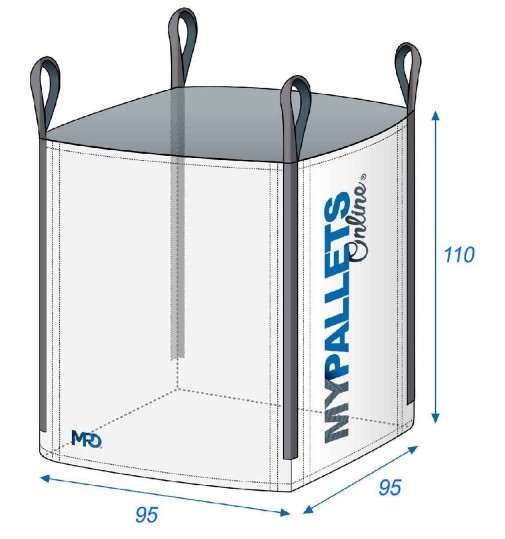
Le client a donné une note sans laissé de commentaire
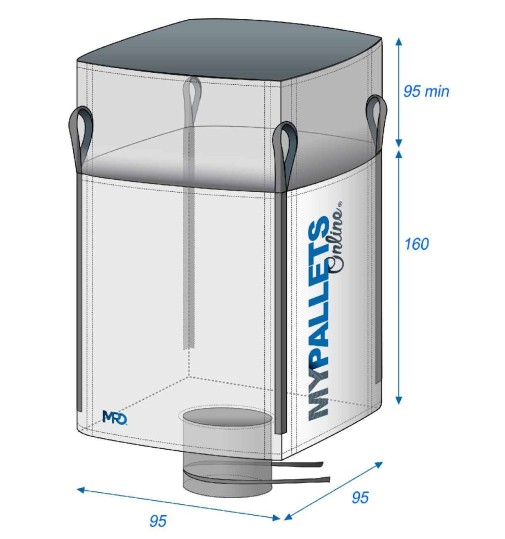
C'est pas ce qu'on attendait. On voulait un tissu plus aéré avec des mailles spécialement pour conserver les pommes de terre. On a eu des simples bib bag pour céréales
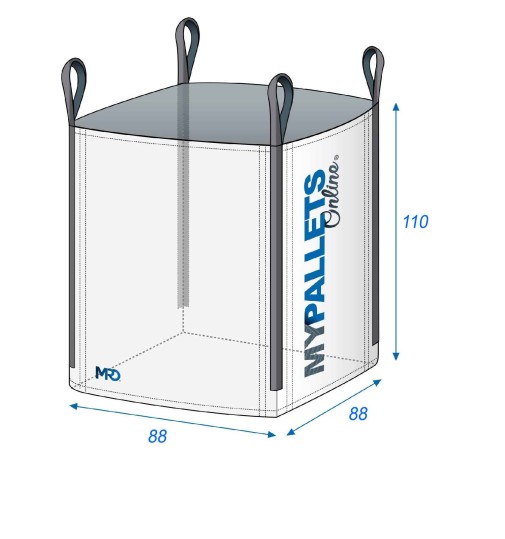
Produit qualitatif a bon prix
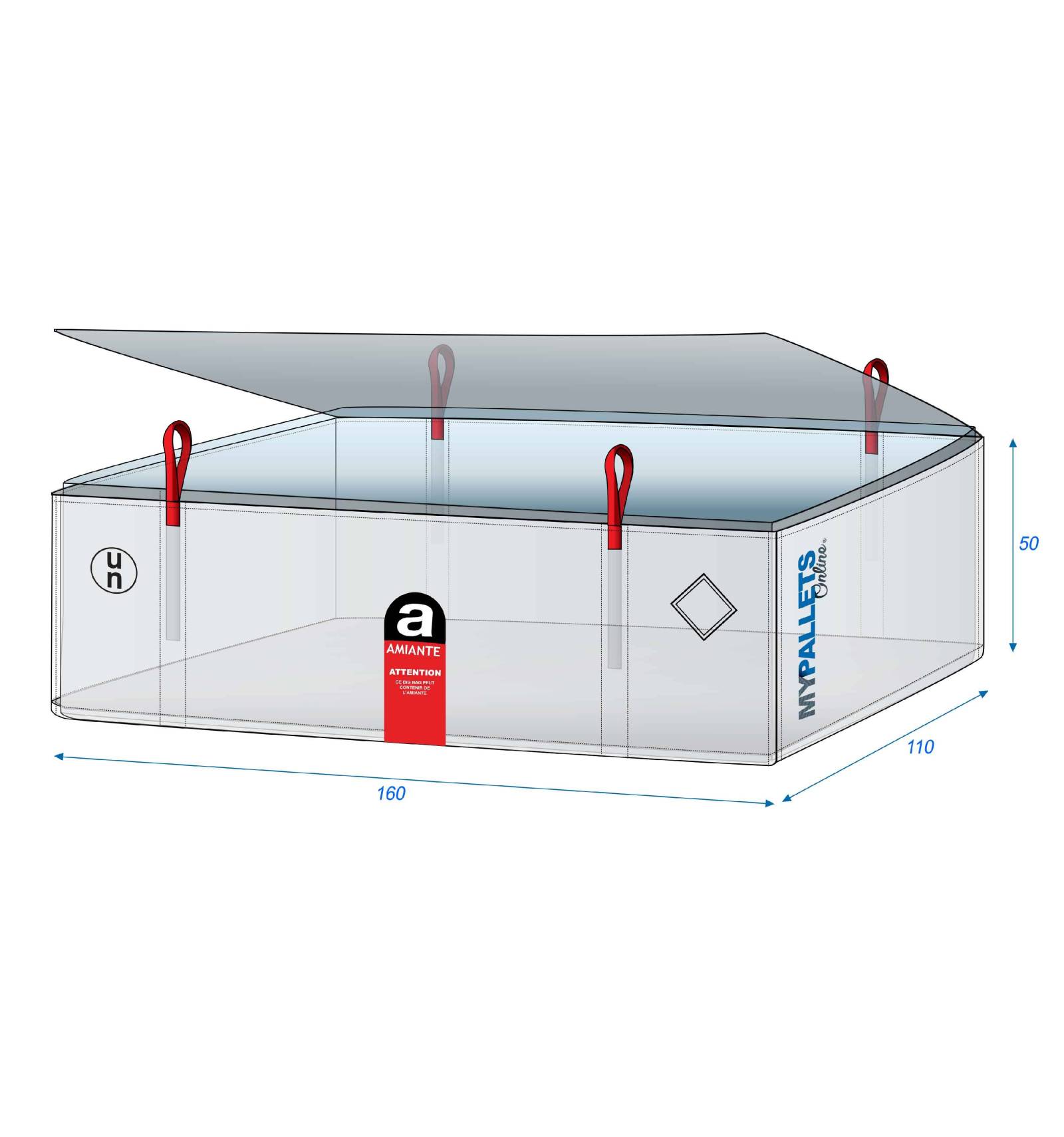
Asbestos Sheet Bag 160X110X50 for Fiber Cement roof sheet 1 Ton
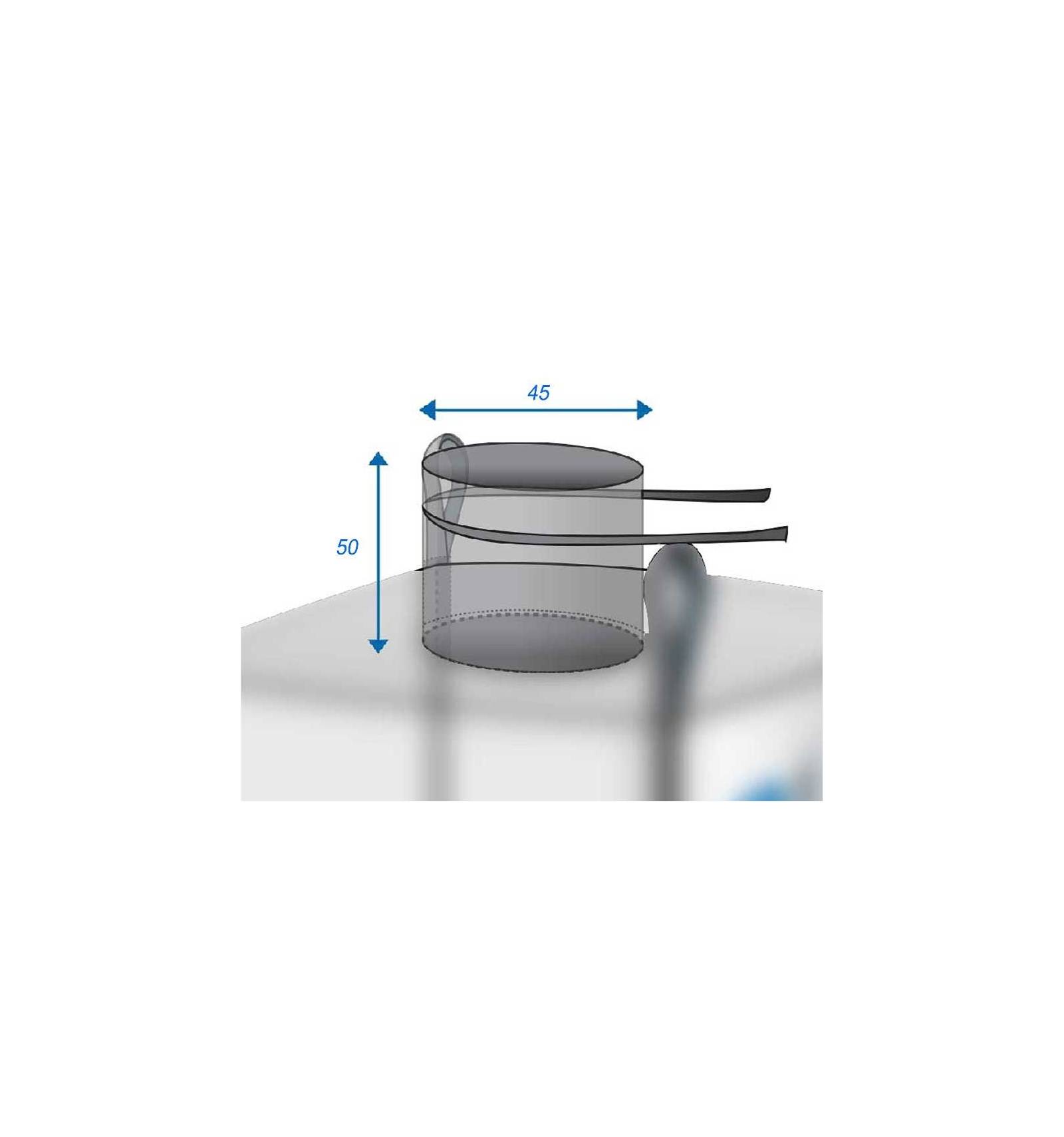

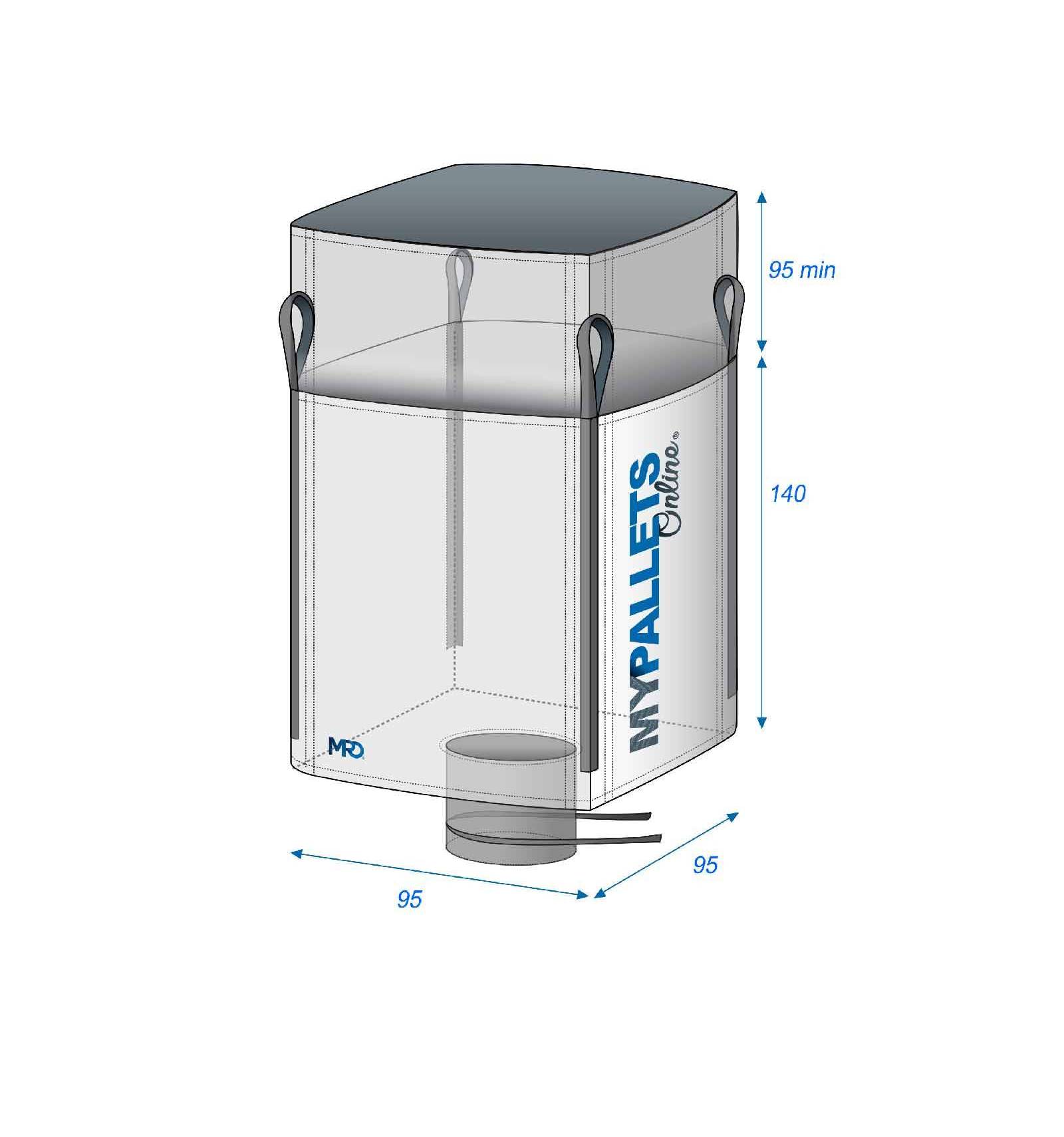
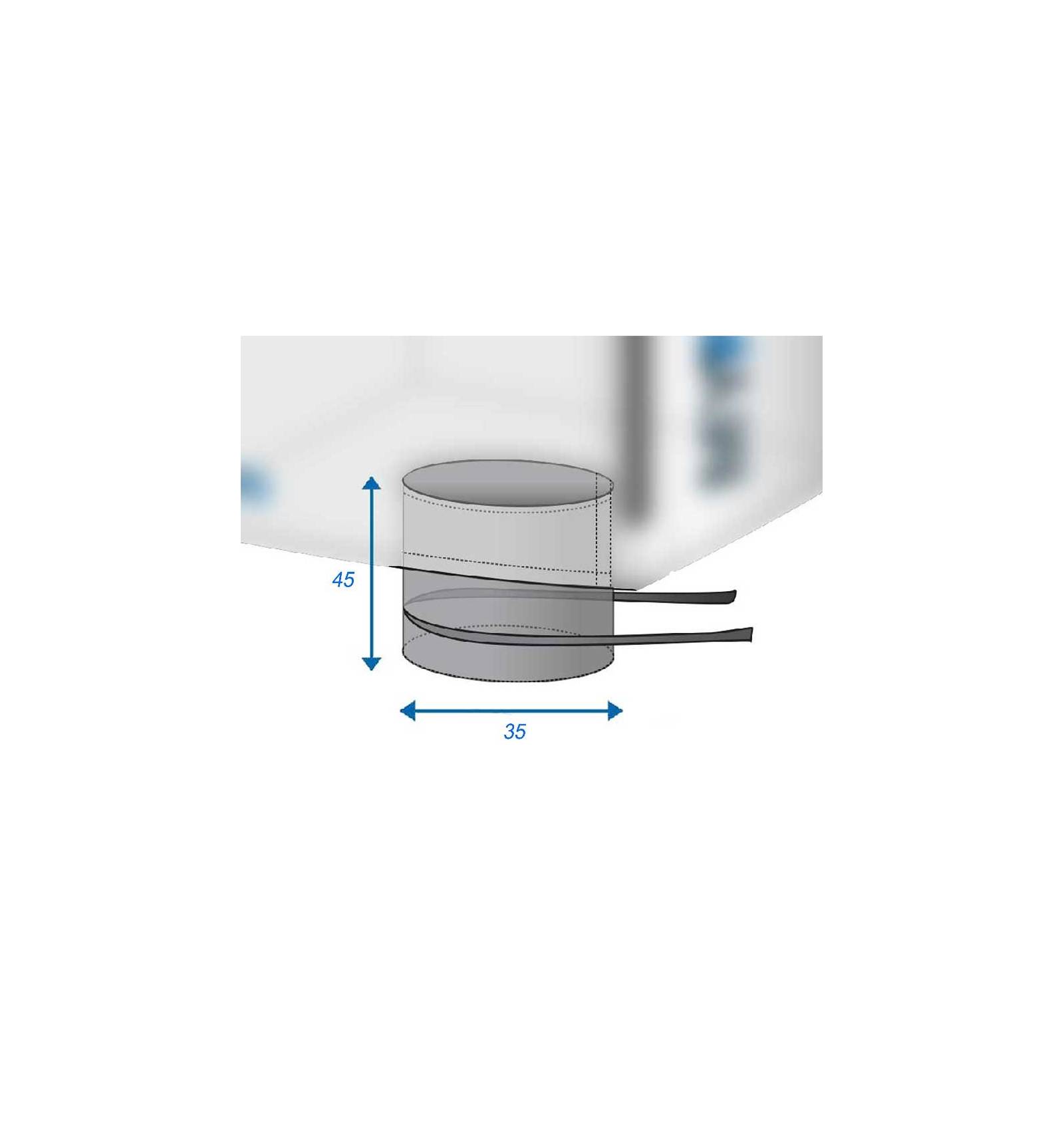
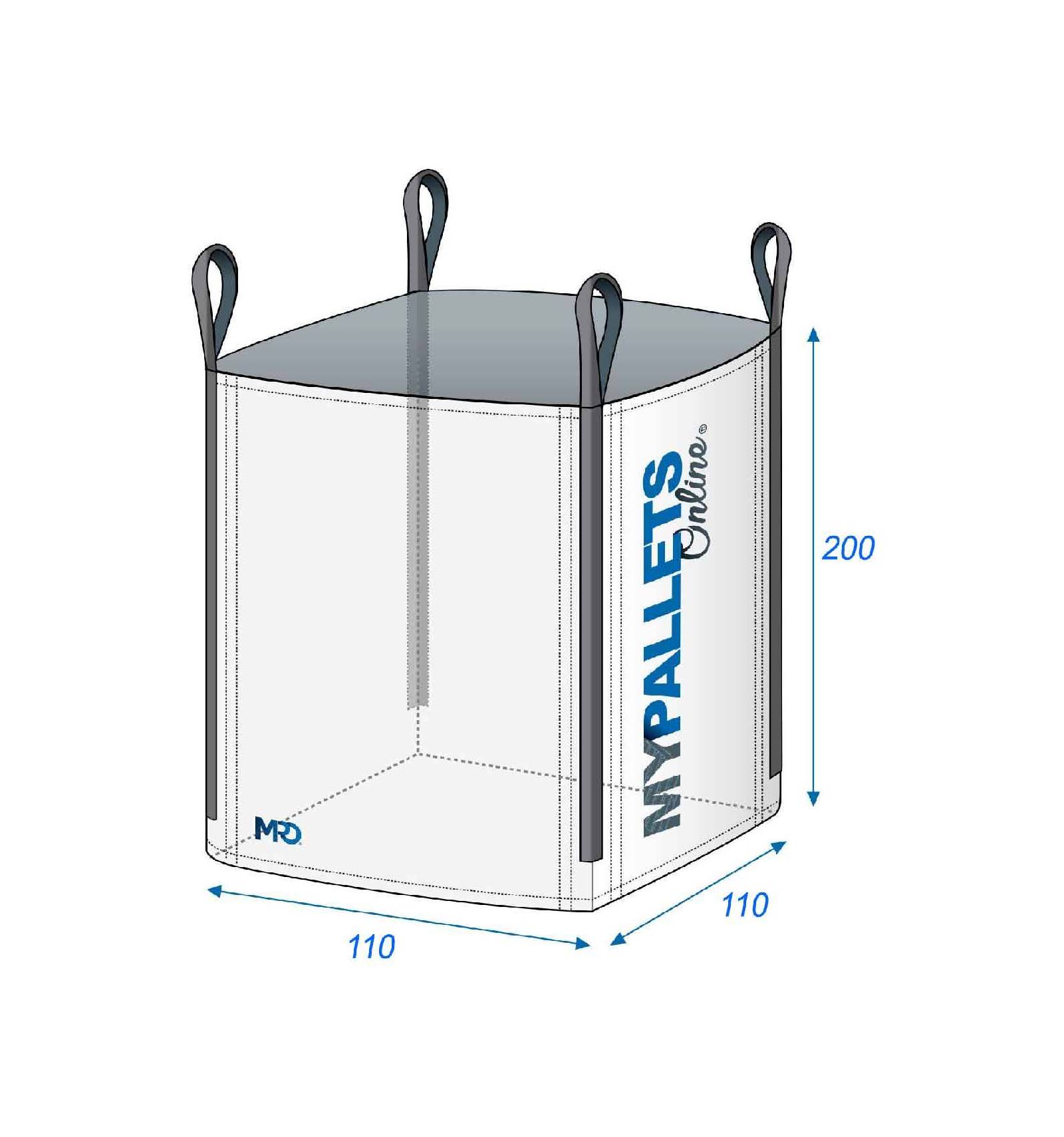
Bulk Bag Builders 2 ton heavy products 110X110X200 2000 kg

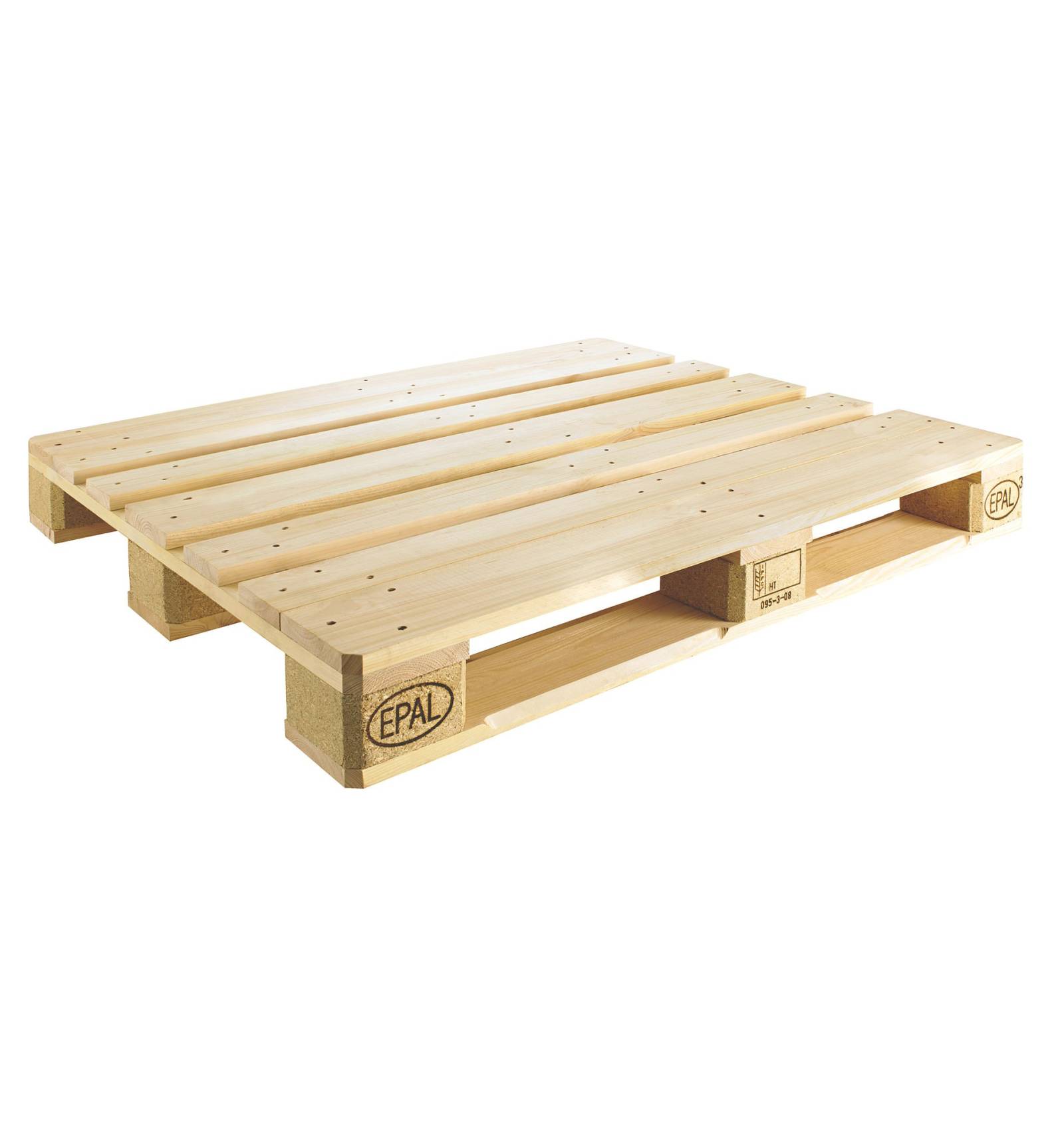
Wooden Pallet 1000 X 1200 X 144 -Epal 3 -3 bottom boards
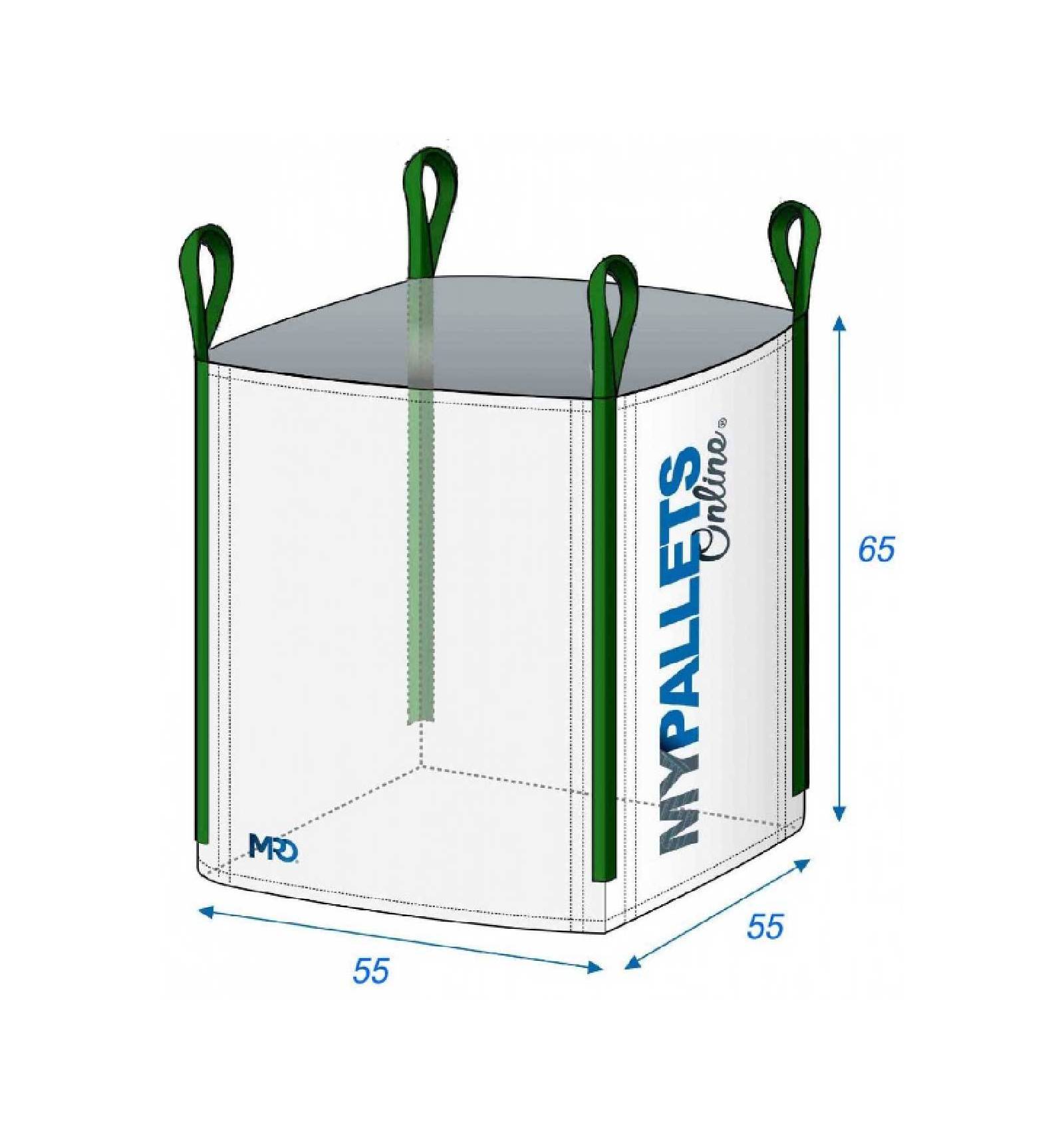
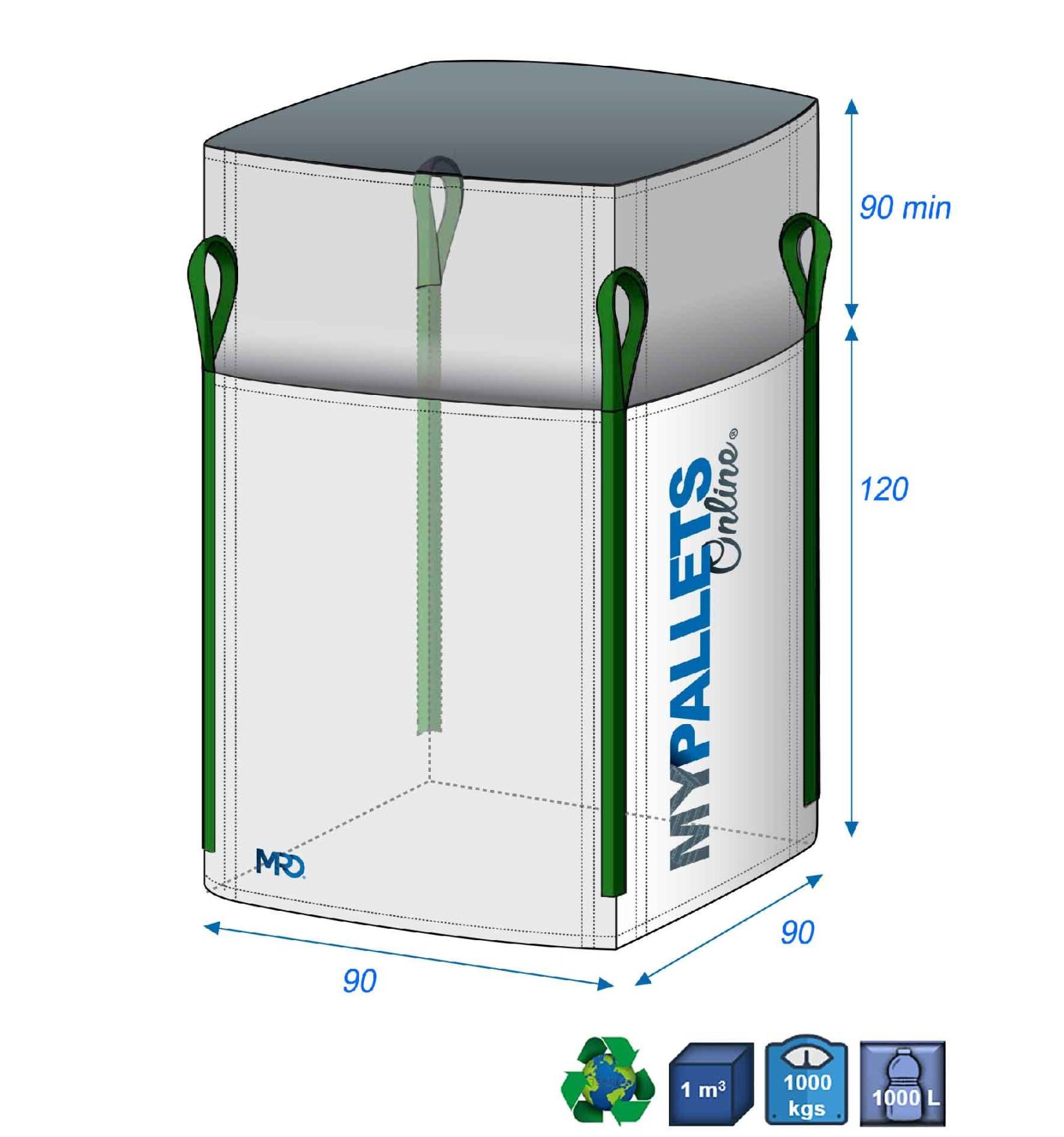
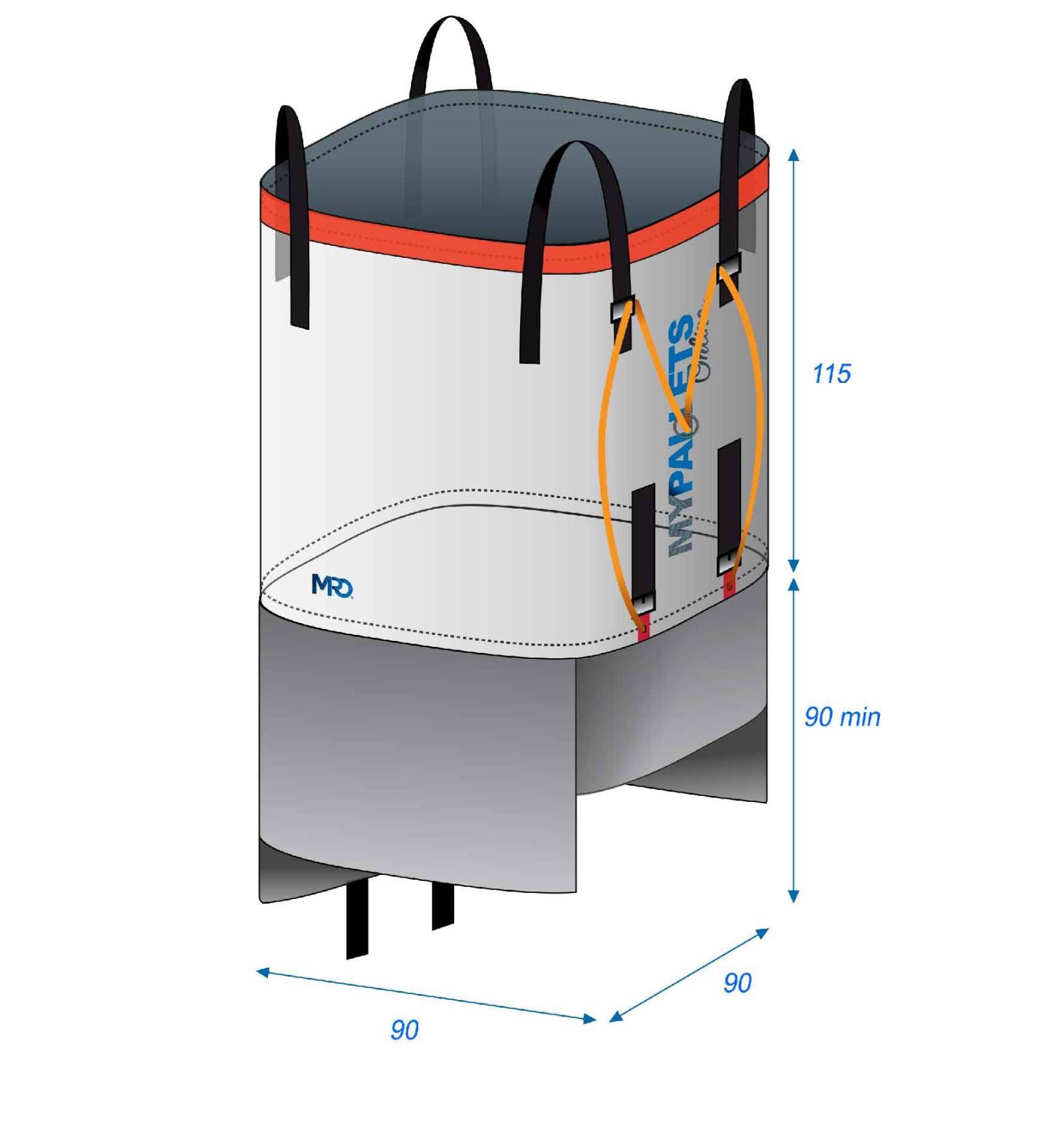
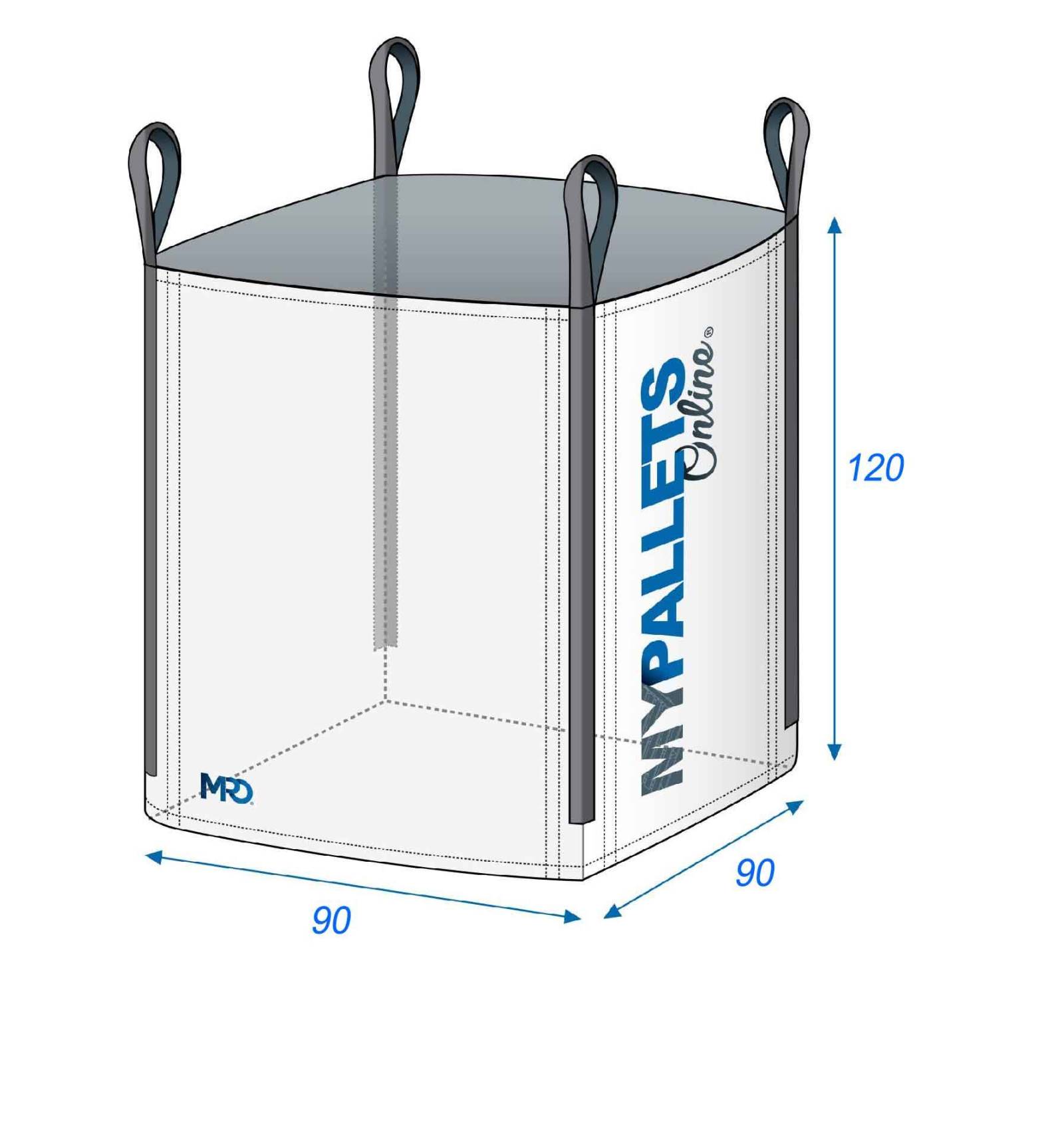
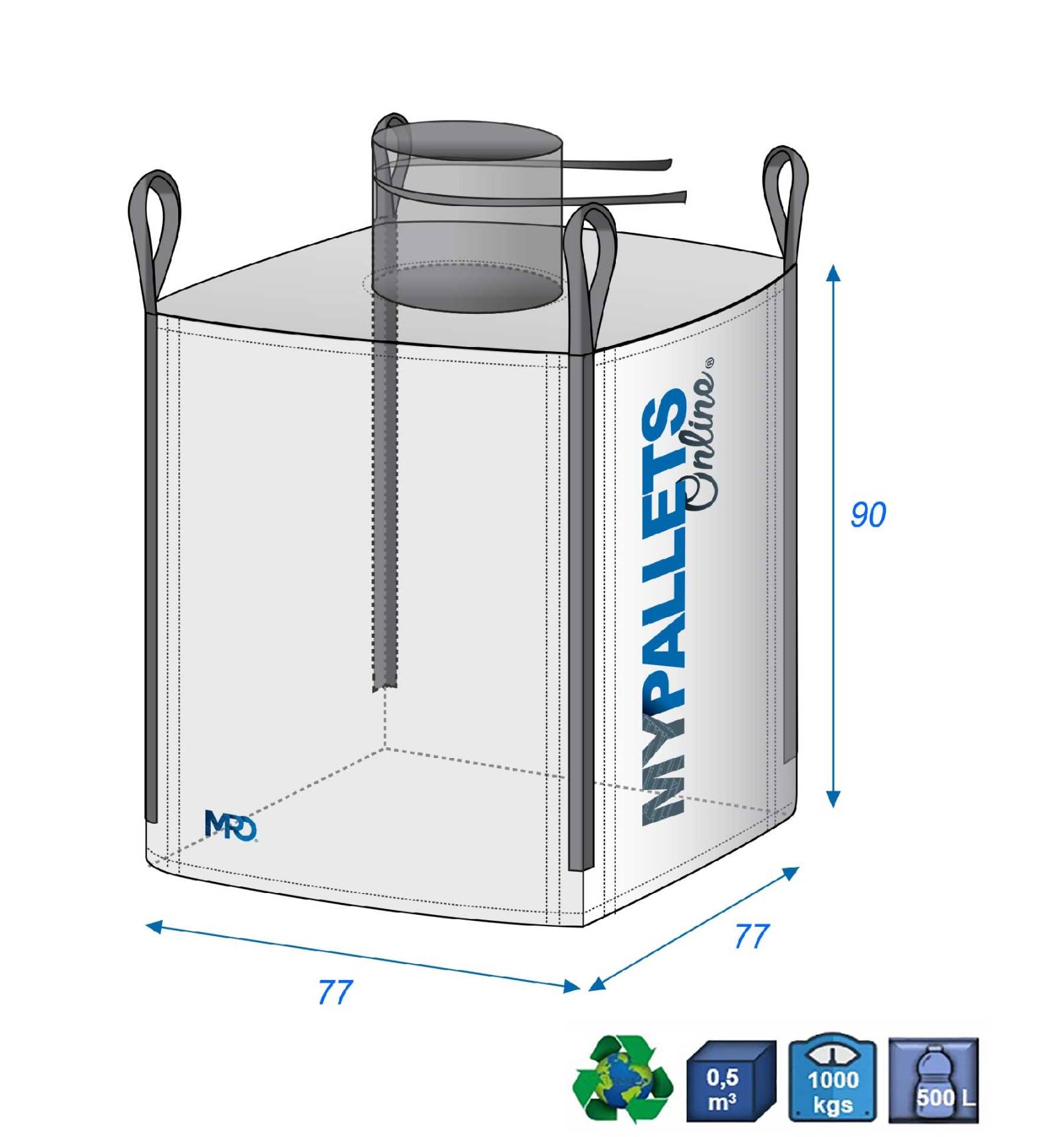
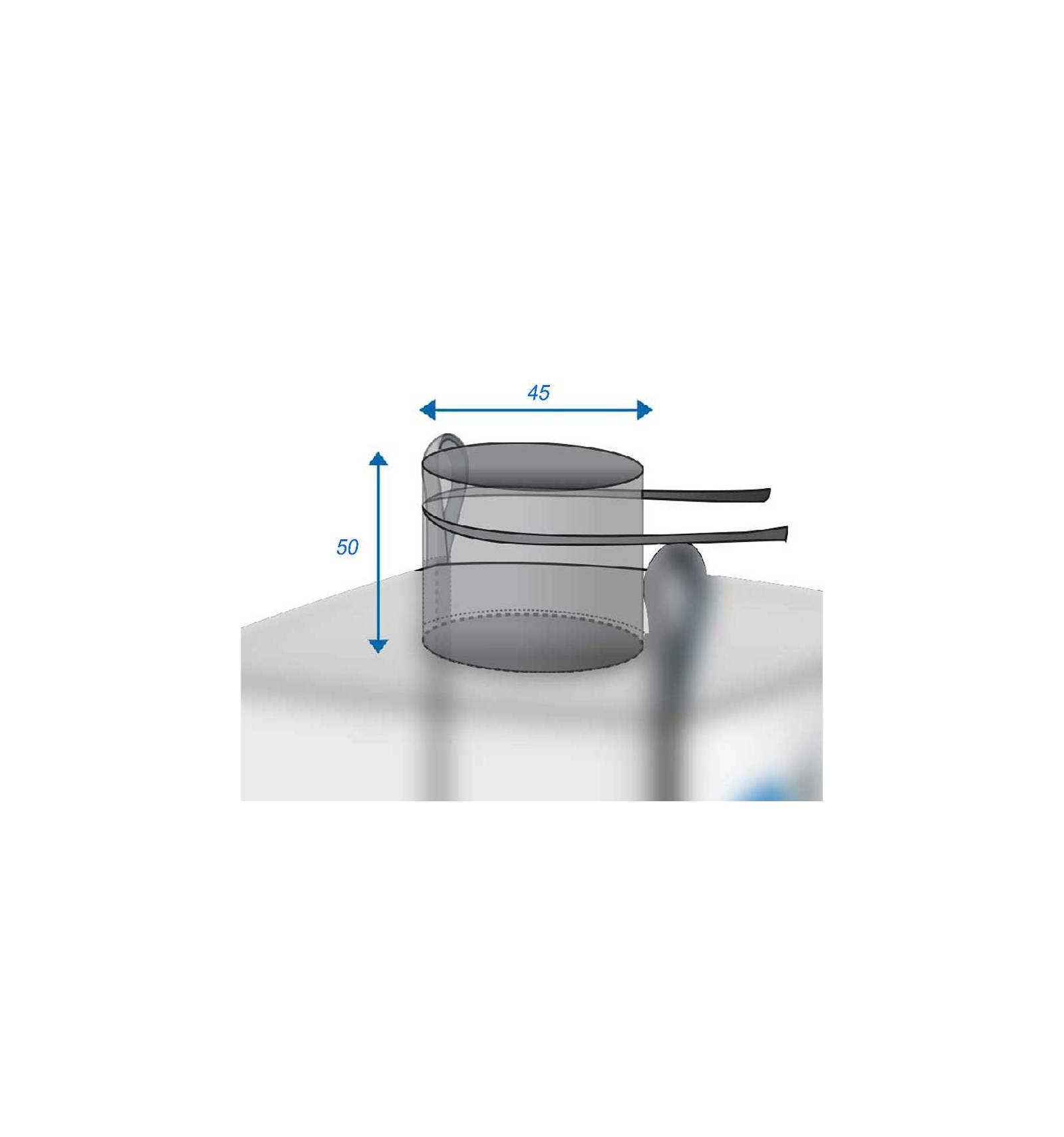
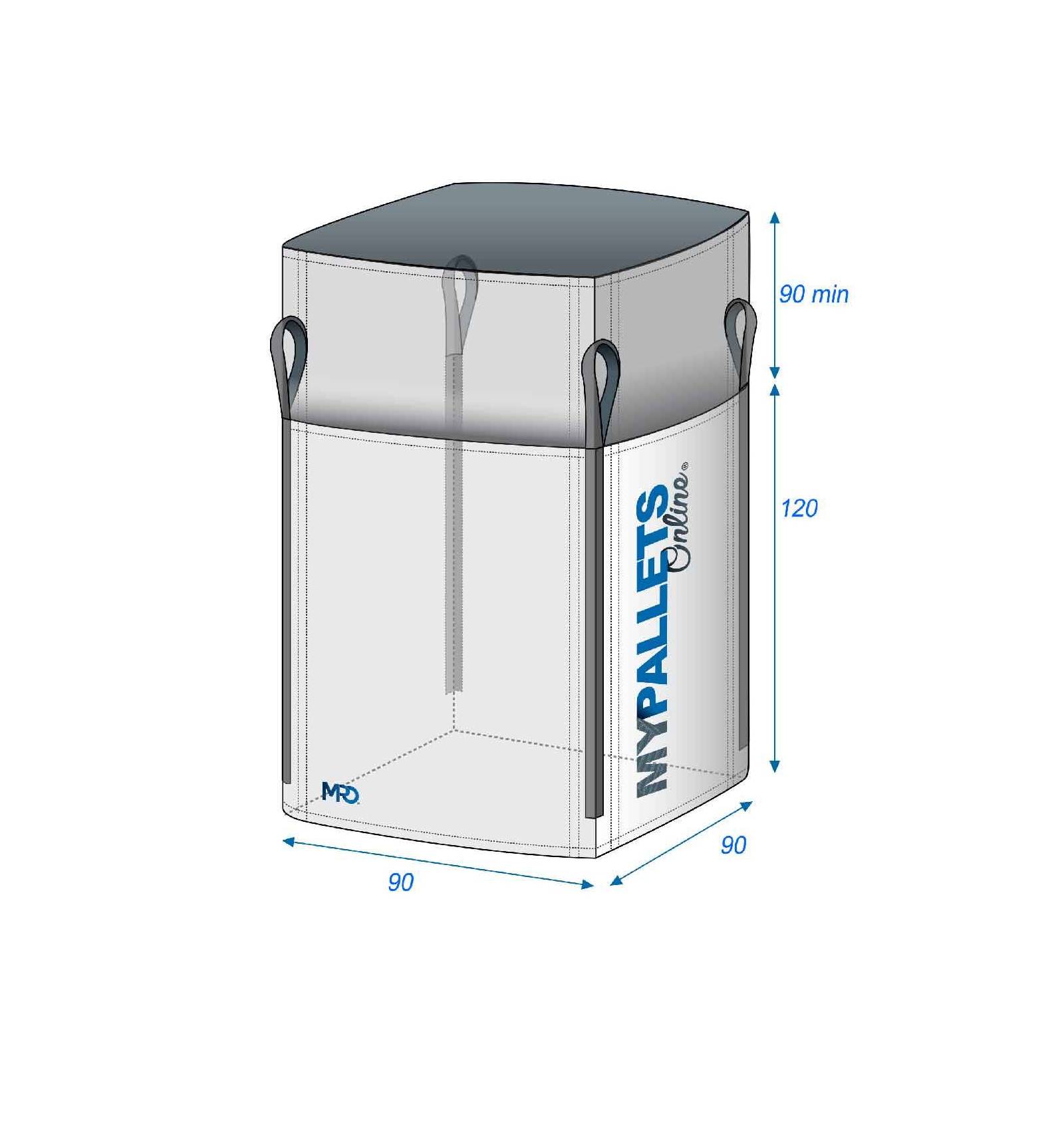
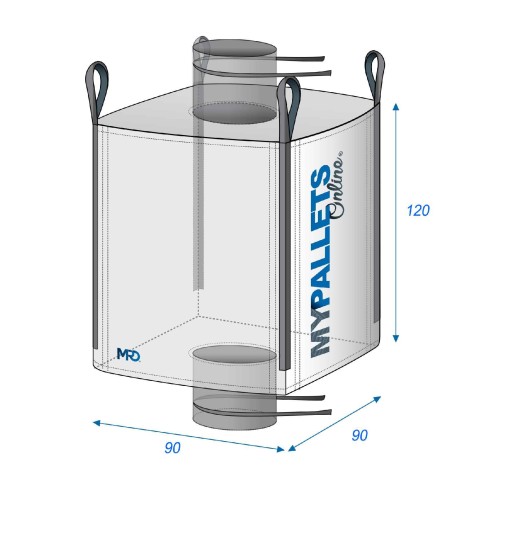
Bulk Bag Construction Waste, Sand, Land 90X90X120 1250 kg